WHO: Control of disease vectors with indoor residual spraying
Source(s):
Published: 09/02/2024
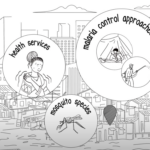
By 2050, nearly 7 out of 10 people globally will live in cities and other urban settings. While urbanization overall is expected to reduce malaria transmission, unplanned urbanization will likely result in a malaria disease burden that is disproportionately high among the urban poor. A new framework from WHO and UN-Habitat offers guidance to city leaders, health programmers and urban planners as they respond to the challenges of a rapidly urbanizing world. More information: https://www.who.int/publications/i/it…
Recommended citation:
WHO: Control of disease vectors with indoor residual spraying, MESA Resource Hub. Available at: https://mesamalaria.org/resource-hub/who-control-of-disease-vectors-with-indoor-residual-spraying/ (Accessed: 18/11/2026)
Language
English
External reference
Published: 09/02/2024

Recommended citation:
WHO: Control of disease vectors with indoor residual spraying, MESA Resource Hub. Available at: https://mesamalaria.org/resource-hub/who-control-of-disease-vectors-with-indoor-residual-spraying/ (Accessed: 18/11/2026)
Language
English
THEMES: Vector Control
Related Resources