Last Updated: 29/04/2025
The impact of human red blood cell heterogeneities and dynamics on malaria parasite virulence.
Objectives
This project aim to bring together experiments in the lab, mathematical models, and field observations, to determine whether the use of different invasion pathways can explain the very different levels of parasite density in the blood of malaria patients.
Harvard T.H. Chan School of Public Health (HSPH), United States
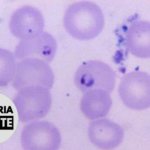
Malaria infections can cause severe disease and a very high parasite load in the blood, leading to the death of over 500,000 children each year, but they are also often characterized by low parasite densities and no symptoms. The reasons for this variable outcome are not clear, and it has been estimated that 70% of the variation in disease outcome remains unexplained. Growth of the parasite in the blood underlies all the symptoms of malaria. From the parasite’s perspective, the first step in infection is the invasion of red blood cells via specific surface molecules. Following invasion, the parasite undergoes asexual reproduction over 48 hours, before lysing the cell and going on to invade more red blood cells. These rounds of red blood cell invasion and growth can cause anemia, through the destruction of cells, as well as fevers, coma, and even death.
One of the unique aspects of the malaria parasite is its ability to respond to the host environment, and adapt to changing conditions to survive. It can use many different routes into the red blood cell, for example, and switch between these invasion pathways. One of the reasons it needs different strategies to get into the cell is that human red blood cells are highly heterogeneous between people, but they also changing shape dramatically during the course of their 120-day lifespan, altering the composition of surface molecules used by the parasite for invasion as they age.
It is known that different species of malaria parasites are restricted to particular age groups of red blood cells, and that this determines the maximum parasite density they reach in the blood and their pathogenic potential. It’s also clear from mouse studies that different strains of rodent malaria parasites show vastly different levels of virulence depending on the age range of red blood cells they can invade. While it has been known for decades that genetic mutations in globin genes can reduce parasite invasion and growth, protecting individuals against severe disease, mutations in surface receptors used by the parasite to invade cells has not been examined. Furthermore, to date the impact of differential use of invasion pathways into different red blood cells between strains of P. falciparum, the most deadly human malaria parasite, has not been investigated.
Mathematical models are needed to bridge the controlled measurements in the lab with the complexities of infection; in particular, unlike for mouse models, it is impossible to manipulate and follow the dynamics of human infection. Models give a framework to predict the complex outcomes of dynamic feedbacks between parasite invasion behavior and red blood cell growth and destruction. By generating hypotheses based on lab experiments, this can then measure related outputs in infected individuals in malaria-endemic regions, and refine our ideas iteratively using this process of theory and data generation.
Mathematical models are routinely applied to the epidemiological dynamics of infection in populations, but far less often to the within-host dynamics that determine pathogenic outcomes in people. This award would allow me to pursue this interdisciplinary approach to understanding the molecular basis of pathogenesis in one of the most deadly pathogens humans have ever faced.
Jul 2017 — Jun 2022
$500,000
Related Resources