Last Updated: 04/10/2024
Routine case investigation and reactive case detection for malaria in Amhara region, Ethiopia
Objectives
To provide evidence in order to design surveillance system components, evaluate screening criteria for reactive case detection, and optimize case investigation strategies in low transmission settings.
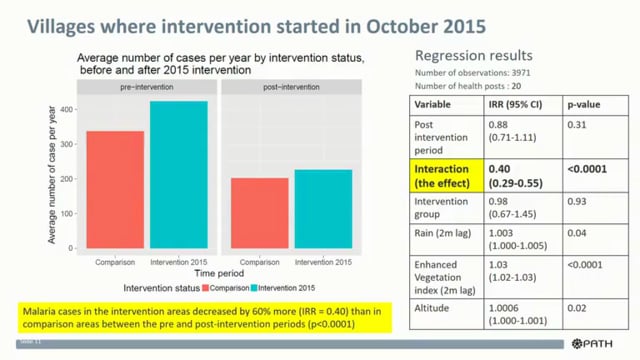
Case investigation (CI) of malaria cases and reactive case detection (RCD) of malaria infections are strategies that can contribute to malaria elimination in low-transmission settings. In Amhara region, Ethiopia, CI with RCD was conducted in 37 villages during the malaria transmission seasons in 2015-2016. P. falciparum or mixed malaria cases diagnosed at the health posts were considered index cases and were investigated (regarding socioeconomic characteristics, travel history, etc.). RCD with focal test and treat (FTAT) was conducted in the index case household and the ten closest neighboring households within a 100 meter radius. During the FTAT, all individuals in the targeted households were tested with a rapid diagnostic test (RDT) and all positives were treated with an antimalarial drug.
Apr 2015 — Mar 2017
Related Resources