Last Updated: 07/05/2026
Role of IFNGR1 in pregnant mice infected with Plasmodium berghei
Objectives
This project investigated the role of IFNGR1 in pregnant mice infected with Plasmodium berghei.
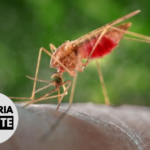
Malaria during pregnancy is a major public health problem in malaria-endemic regions. Placental malaria has been reported to be correlated with adverse pregnancy outcomes such as fetal growth restriction, stillbirth, premature delivery. However, the immunopathogenesis of placental pathology during severe malaria is poorly understood. Recently, it was found that fetal mortality in IFN-γ receptor 1-deficient (IFNGR1-KO) C57BL/6J mice infected with rodent malaria parasites, Plasmodium berghei NK65 (PbNK65) was much less than that in infected wild type (WT) mice. Placental pathology was also improved in infected IFNGR1-KO mice. In contrast, bioluminescence imaging showed that parasite accumulation in the placentas of IFNGR1-KO pregnant mice infected with luciferase-expressing PbNK65 was comparable to that in infected WT mice. These findings suggest that IFNGR1 signaling plays a pivotal role in placental pathology and subsequent adverse pregnancy outcomes during severe malaria.
Apr 2015 — Mar 2018
$42,591
Related Resources