Last Updated: 11/06/2024
Molecular detection of Plasmodium in areas of autochthonous malaria located in the Atlantic Forest biome of the State of São Paulo – the role of asymptomatic infections in maintaining transmission
Objectives
*Original in Portuguese: Detecção molecular de Plasmodium em áreas de malária autóctone localizadas em bioma de Mata Atlântica do Estado de São Paulo – o papel das infecções assintomáticas na manutenção da transmissão
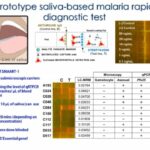
The objective of this study is to apply PCR protocols (qPCR, LAMP and nested PCR) in 537 blood samples from residents in areas of autochthonous malaria in municipalities in the Mesoregion of São Paulo, North Coast, Vale do Ribeira and South Coast. The use of molecular protocols in the population of areas adjacent to the index cases will allow the detection of asymptomatic patients carrying Plasmodium, serving as a source for the transmission of new cases, in addition to accurately identifying the circulating species.
Malaria is an infectious disease that defies science and control programs. In Brazil, most cases occur in the Amazon Region, with 193,886 notifications in 2017, a worrying increase of 51% compared to 2016. In the Extra-Amazon Region, the disease has an impact due to imported cases and the occurrence of outbreaks. In 2017, of the 445 reported cases, 86 were classified as autochthonous, with low parasitemia and mild symptoms. The State of São Paulo presented 14 cases of autochthony in 2017, all in regions located in the Atlantic Forest Biome. This number could be higher, since the index cases were diagnosed by the reference test for malaria, thick smear, whose sensitivity varies depending on the experience of the observer and blood parasitemia. Due to their high sensitivity, molecular tests have stood out in detecting asymptomatic infections with low parasitemias. The results will contribute to the knowledge of the profile of the focus areas and the improvement of control actions in autochthony events.
Oct 2018 — Mar 2020
Related Resources