Last Updated: 28/12/2025
Humanized Mouse Models for Efficacy of Novel P. vivax Pre-erythrocytic Antigens
Objectives
The objective of this study are to
- discover novel pre-erythrocytic P. vivax vaccine candidates utilizing a surface-targeted specific sporozoite proteome; and
- develop antibody passive transfer into a human liver-chimeric mouse model for efficacy testing of novel P. vivax pre-erythrocytic antibody vaccine candidates.
The specific aims are:
Aim 1: Proteome analysis of the P. vivax sporozoite surface.
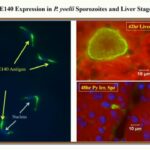
Recent advances in mass spectrometry technologies, together with sporozoite purification and surface labeling, will be leveraged to identify novel antigens present on the P. vivax sporozoite surface and/or secreted in response to external stimuli. This approach will enable the identification of candidate antigens suitable for antibody production and subsequent testing.
Aim 2: Development of an antibody passive transfer human–liver chimeric mouse model for efficacy testing of novel P. vivax pre-erythrocytic vaccine candidates.
A recently developed small animal model based on an immunocompromised mouse with a human-chimeric liver, which supports P. vivax liver-stage and hypnozoite development, will be adapted for efficacy testing of antibodies against pre-erythrocytic (sporozoite) antigens. This will be achieved through antibody passive transfer followed by sporozoite challenge. Efficacy will be evaluated by measuring reductions in liver-stage parasite burden after challenge. The model will be optimized using the well-documented protective effect of antibodies against the circumsporozoite (CS) protein, which prevent sporozoite transport to the liver and subsequent liver-stage development. Antibodies to the CS protein serve as a gold standard for anti-sporozoite, antibody-based vaccine strategies.
Aim 3: Efficacy testing of two novel pre-erythrocytic vaccine candidates using the passive transfer human-chimeric mouse model.
Polyclonal antibodies will be generated against the two most promising novel antigens identified through surface proteome analysis. These antigens may represent new targets for P. vivax sporozoite infection–neutralizing antibodies. The candidates will be initially evaluated for efficacy using the passive transfer/sporozoite challenge approach established in Aim 2.
There is currently no vaccine for Plasmodium vivax malaria, and the inherent difficulty of working with the parasite makes vaccine development extremely challenging. Yet, P. vivax malaria has a tremendous negative worldwide impact on the human population and is an ever-present issue for the military personnel working in the endemic countries.
The investigator expect the described model to become a critical new tool for the rapid preclinical evaluation of P. vivax subunit vaccines candidates. Furthermore, a targeted evaluation of the P. vivax sporozoite surface will further enrich the understanding of parasite biology and, more importantly, provide with an array of novel pre-erythrocytic antigens that may enhance the ability to produce a fully protective P. vivax subunit vaccine.
Sep 2015 — Feb 2017
$330,200
Related Resources