Last Updated: 18/06/2024
Development of organoid culture systems to dissect human malaria liver infection (ORGANOMAL)
Objectives
The aim of this project is to develope a novel and innovative tools, biologically more relevant to humans for the identification of novel therapeutic targets.
Specific objectives are;
1) to establish heterotypic cell interactions and 3D systems to improve human hepatocyte functions and the predictivity of drug metabolism and toxicity assays
2) to develop new 3D organoid culture systems, including multicellular systems composed of human hepatocytes and NPC, in order to improve in vitro liver stage development, to assess the cross-talk between the parasite and the non parenchymal cells (NPC) and evaluate efficacy of chemotherapeutic and immunoprophylatic interventions targeting Plasmodium liver stages.
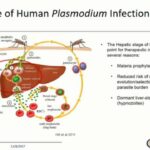
Malaria remains a major cause of death and morbidity worldwide affecting 200 million people annually. Plasmodium falciparum (P. falciparum) is responsible for the majority of the 500,000 deaths attributed each year to malaria, but P. vivax, although less virulent, contributes significantly to malaria morbidity. The infection in humans is initiated by the bite of an infected mosquito which inoculates the parasite into the skin. The parasite then migrates to the liver where it interacts with non parenchymal cells (NPC) before invading the hepatocytes within which it replicates. Once mature, the parasite passes into the blood initiating the erythrocytic stage of its development which is associated with the disease symptoms and transmission. Targeting the parasite before of during its development within the liver is thus an ideal target for prophylactic approaches. But the search for novel or improved means to eliminate malaria necessitates appropriate experimental models. So far, most if not all of the basic knowledge on the parasite-host interactions during the liver stage comes from murine models of experimental malaria. Although these models have non questionable advantages, they do not recapitulate the biology of the human host cells and of the human malaria parasites. In vitro studies on P. falciparum or P. vivax liver stages, including screening for new antimalarial compounds, are so far routinely performed using 2D cultures of human hepatocytes within which the parasite development is not efficient and is incomplete. Moreover, these 2D systems recapitulates only partially the physiology of the host cell and do not reproduce the complex 3D architecture of the liver. Finally, these 2D monocellular systems preclude any study of the interactions between the parasite and liver NPC which are, so far, largely unknown for human malaria parasites. Based on the partners extensive knowledge of human Plasmodium liver stage and human hepatic cells isolation and culture, implementation of this project will provide marketable systems for applied research in malaria but also in other hepatotropic pathogens.
Oct 2017 — Oct 2020
$524,064
Related Resources