Last Updated: 29/09/2025
Improving design of malaria intervention programmes in East Africa
Objectives
The objective of this PhD project is to investigate insecticide resistance within large vector control trials in East Africa.
There is a high degree of flexibility within the project and the student may choose to:-
- apply genomic sequencing approaches to investigate the key genetic drivers of insecticide resistance; OR
- use CRISPR/Cas to functionally characterise resistance candidates; OR
- develop insecticide resistance models to quantify the impact of resistance on intervention efficacy on epidemiological indicators.
Liverpool School of Tropical Medicine (LSTM), United Kingdom
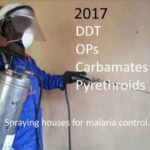
Malaria is a major cause of mortality and morbidity in Sub-Saharan Africa (SSA) and one of the biggest impediments to the economic development. The major method for controlling these malaria-transmitting mosquitoes is through the use of chemical insecticides but resistance has emerged and is a major threat to the recent reductions in both deaths and malaria infections.
Work will be conducted at LSTM with an opportunity to conduct part of the research with partners in Kenya.
Sep 2024 — Sep 2028
Related Resources