Last Updated: 02/12/2024
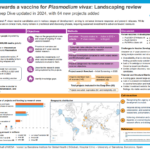
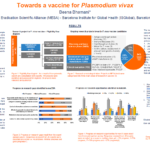
Towards an Effective Vaccine against Blood-Stage Plasmodium vivax Malaria
Objectives
The aim of this project is to assess the potential of two antigens, P. vivax Duffy-Binding Protein region II (PvDBP-RII) and RH5-Ripr Membrane-Anchoring Protein (RRMAP). Monoclonal antibodies will be produced from the serum of the human PvDBP_RII vaccinees and raise rabbit antisera against RRMAP. Then they will be tested and compare in novel functional parasite invasion assays, progressing the most promising to detailed structural studies with my Co-Supervisor in the Department of Biochemistry.
Growing recognition of the huge morbidity and significant mortality attributable to Plasmodium vivax (P.vivax) malaria has led to renewed calls for an effective vaccine against this most widespread of the human malaria. The leading vaccine candidate antigen has long been the P.vivax Duffy-Binding Protein region II (PvDBP-RII) with which the parasite attaches to the Duffy antigen on the red blood cell membrane and enters the cell. This was put to the test last year in Oxford in the first human vaccine trial against blood-stage vivax malaria in which 24 volunteers were vaccinated with PvDBP-RII. PvDBP-RII does, however, show significant inter-strain polymorphism and this may jeopardise the vaccines’ potential to induce strain transcending immunity a new and promising candidate antigen, the RH5-Ripr Membrane-Anchoring Protein (RRMAP), has recently been described. It is also essential for red cell entry and appears to be highly conserved.
Oct 2015 — Sep 2018
$363,728
Related Resources