Last Updated: 02/12/2025
The role of bon emarrow stroma in the response of haematopoietic stem cells to infection using P. berghei as a model of malaria disease
Objectives
This project proposes to further investigate haematopoietic stem cells (HSC) activation in response to infection. Using flow cytometry and intravital microscopy, it will be determined whether this is accompanied, and potentially mediated, by alterations in HSC-niche interactions and/or in known HSC niche components. Furthermore, it will be examined whether alterations in the niche result in more profound and long-term consequences on HSCs, which is of relevance for infection survivors.
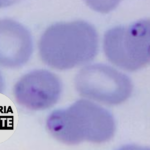
Haematopoietic stem cells (HSCs) maintain the turnover of all blood cell lineages and reside in the bone marrow, where they are critically dependent on interactions with complex and specialised niches. Infection can have profound effects on haematopoiesis, including the depletion of the stem cell pool. HSCs have been shown to sense existing infections and to adapt their progeny output to cope with the increased need for immune cells. Previous work suggests that upon natural infection with the parasite P.berghei, there is a decrease in bone marrow cellularity and the proportions of other blood and marrow cell populations. Using a natural route of Sporozoite inoculation in mice, by the bite of mosquitos infected with the parasite, as a model for malaria disease.
Oct 2014 — Dec 2018
$257,211
Related Resources