Last Updated: 16/05/2025
Individual variance in avian blood parasite infections: causes and consequences
Objectives
This study aims to
- investigate the role of IGF-1 in shaping blood parasite infection status and parasitaemia both in natural and under semi-natural conditions when manipulating the IGF-1 levels of the birds; and
- investigate how competitive relationships within a brood resulting from experimental brood sex ratio manipulation, and paternity affect the infection status of recruiting adults and whether extra-pair nestlings are more resistant to blood parasites.
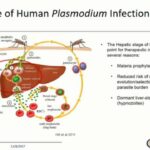
Blood parasite infections have been detected to have various negative effects on bird hosts, however, it is not yet known how early rearing conditions and paternity affect infection status of recruiting adults. The physiological changes caused by Haemosporidian infections in birds are also poorly investigated. Haemosporidian parasites during their life cycles destroy the cells of different organs. In addition, malaria infections increase the susceptibility of birds to oxidative stress, which accelerates telomere shortening thus causes the faster senescence of the individuals. Recent research also draw the attention to the role of insulin-like growth factor signaling (IIS) pathway, and specifically the insulin-like growth factor-1 (IGF-1) in mediating the effects of infections in vertebrates. To date, no study has investigated the role of IGF-1 levels in resistance to avian malaria.
Nov 2017 — Oct 2020
$53,047
Related Resources