Last Updated: 02/12/2024
Epidemiology of malaria transmission intensity in sub-Saharan Africa
Objectives
The co-primary objectives are to produce longitudinal estimates of parasite prevalence in humans, and record malaria control measures usage in areas where EPI-MAL-002 and EPI-MAL-003 studies will take place.
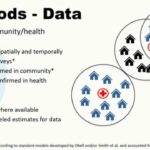
This epidemiology study is planned to run in parallel with the EPI-MAL-002 and EPI-MAL-003 studies, enrolling from the same health and demographic surveillance system (HDSS) (or equivalent system) populations. This study will involve up to 10 annual cross-sectional surveys during malaria peak transmission with possible further extension, dependent on the duration of the EPI-MAL-002 and EPI-MAL-003 studies. Surveys will provide point estimates of parasite prevalence and subsequently a longitudinal assessment of the level of endemicity in each area covered by EPI-MAL-002 and EPI-MAL-003. This study will be conducted in parallel to EPI-MAL-002 and EPI-MAL-003 to assess parasite prevalence and malaria control measures before (EPI-MAL-002) and after (EPI-MAL-003) vaccine introduction.
By taking into account variations in malaria transmission intensity (MTI) and malaria control intervention coverage, it will enable a more complete assessment of the benefits and risks of the vaccine introduction, and thereby more insight into the potential vaccine impact in EPI-MAL-002/-003, by adjusting incidence data for overall changes in transmission and other malaria control intervention coverage, and assist generalisation of results to other populations.
Study type: Interventional
Enrollment: 54000 participants
Interventional Model: Single group assignment
Masking: open label
NCT number: NCT02251704
Phase: Phase IV
Oct 2014 — Aug 2024
Related Resources