Last Updated: 02/12/2024
Chronic impact of malaria on bone marrow niches and immune regulation after recovery from infection
Objectives
This proposal aims to address the alteration of bone marrow niches and hematopoiesis during and after recovery from malaria infection, as well as to examine whether these changes contribute to compromised host immunity.
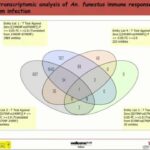
Hematopoiesis in the bone marrow is modulated by signals from mesenchymal cells that form the hematopoietic stem cell (HSC) niches. In this study, it was found that malaria causes vasodilation, inhibits osteoblasts, and reduces a population of HSC niche supporting cells in the bone marrow. Gene transcriptomic analysis revealed that cytokines from these HSC niche supporting cells altered during malaria infection which led to impaired hematopoiesis and lymphopoiesis. It was found that chronic asymptomatic malaria infection had a profound damage on bone marrow hematopoietic niches, raises the concern of asymptomatic cases that remain undiagnosed.
Apr 2020 — Mar 2022
$37,932
Related Resources