Last Updated: 01/09/2025
The ACTia trial: Safety of repeated drug use in children
Objectives
The aim of the study is to compare the effectiveness and safety of the use of artemisinin-based combination therapy (ACT) drugs in children under five years in different health centres and communities.
Liverpool School of Tropical Medicine (LSTM), United Kingdom
Malawi College of Medicine, Kamuzu University of Health Sciences (KUHeS)
International efforts to increase the use of artemisinin-based combination therapy (ACT) over the past decade have been based on the argument that this will lead to fewer malaria deaths. It has also been assumed that these drugs are safe even if used repeatedly. While there is no evidence to suggest concern, this has not been demonstrated directly in children under five years of age living in those areas.
When producing ACT drugs, most data around their safety has been based on trials where treatment was given only once or twice. However, in many parts of Africa young children are likely to receive treatment three or more times a year. Since safety signals are hardly monitored, this age group is more vulnerable to safety risks.
Also, most treatments in Africa are dosed according to the patient’s age rather than their body weight; this is not the case in Asia (where these drugs have been used for many years). This increases the risk of under and overdosing, particularly in young children during the phase of rapid growth.
Because there are several highly effective ACTs available, spotting differences in the way individuals react to them could have major consequences for a wide roll-out. In areas with high transmission rates, ACTs of which partner drugs have a longer duration of action (known as half-life) may result in fewer cases of malaria than drugs with a shorter, preventive period of time (known as prophylaxis).
Similarly, more treatments could fail if a drug has a more complex dosing schedule or causes side effects that reduce adherence to the full treatment.
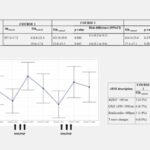
The researchers achieved the aim of the study by using auditory brainstem response tests, a widely used hearing screening test in children, which can also identify signs of drug-related adverse effects on the nervous system of the brain that is involved in hearing.
Jul 2008 — May 2011
Related Resources