Women driving change in malaria: Experiences with MESA
08/03/2026
I am privileged to lead the Malaria, case management NTDs and vector borne diseases Team in the WHO Regional Office for Africa, having contributed to the roll out of several innovative malaria strategies at national level. I currently lead the development and implementation of regional policies, strategies, programmes and strategic initiatives for malaria and other tropical disease control in the region. I achieve this by developing technical frameworks, manuals and operational tools to enhance policy uptake and expansion of WHO-recommended malaria interventions. I support research and innovation for developing and deploying malaria products and services through collaborations with research institutions, harnessing knowledge and skills to strengthen institutional capacity for malaria control and elimination. I contribute to strengthening health systems and integrating malaria and other vector borne disease into national health systems of member states. I also initiate and sustain collaboration between AFRO-WHO and malaria partners.
MESA is a veritable hub for knowledge in malaria control and eradication providing research resources, malaria partners landscape and a real vitrine to access country malaria strategies and technical resources.
As a policy adviser, MESA provides me with a unique one-stop shop for understanding the scope and scale of malaria research projects disaggregated by partner and country. The MESA platform and tracker also provide information on the health institutions involved in research that can support capacity building activities.
Policy makers, researchers, academia can benefit from the information available on the MESA platformMESA also tracks outcomes of global health convenings and scientific conferences, rendering accessible key knowledge generated during such events.
Funders can benefit by understanding the mapping of financial partners and technical areas supported to inform investment decisions.
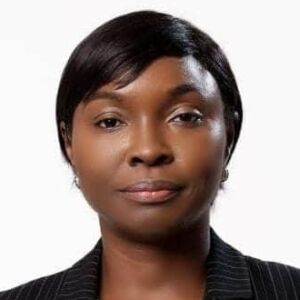
Dr. Dorothy Achu
Team Lead – Tropical and Vector borne Diseases (TVD) – Malaria, NTDs and other Vector-borne diseases
AFRO-WHO, Congo-Brazzaville
I am Otubea Owusu Akrofi, a Medical Entomologist and Project Management Professional serving as the Deputy Chief Entomologist and Head of the Vector Control Unit at Ghana’s National Malaria Elimination Programme (NMEP). I lead national vector control interventions, including LLIN distribution, indoor residual spraying, larviciding, and entomological surveillance. I contribute to Ghana’s National Malaria strategic plan, vector control policies and related guidelines. My role also involves coordinating stakeholder collaboration, overseeing vector control campaigns, and building capacity at all levels.
I served as a correspondent for the MESA platform during the 2022 PAMCA Conference in Kigali, Rwanda, where I documented discussions and innovations in vector control and malaria elimination. The role enabled me to engage with researchers, practitioners, and policymakers while improving my ability to communicate scientific information clearly. Using MESA’s structured tools, I produced concise, accessible updates from presentations and panel sessions. The experience expanded my professional network, enhanced my reporting skills, and deepened my understanding of public health communication. Overall, MESA fosters knowledge sharing, amplifies field insights, and supports professional development in the malaria community.
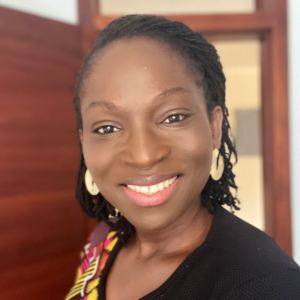
Otubea Owusu Akrofi
Deputy Chief Entomologist and Head of the Vector Control Unit
National Malaria Elimination Programme, Ghana Health Service
I have interacted with MESA through several of its tools including using their Deep Dive landscaping of research topics, and I also had the opportunity to take part in their Correspondents Programme during the MIM conference in Rwanda in 2025. Through the programme, I travelled to the conference and reported on the research presented there while working alongside an international group of talented researchers. It was a rewarding experience, and I am still in touch with several people from the team. I think malaria researchers can benefit greatly from the MESA Malaria Knowledge Hub through their many tools and newsletters which are useful ways to stay up to date with research developments and connect with the wider community.
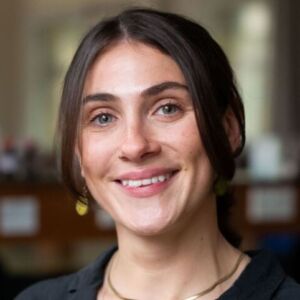
Isabel Byrne
Research Fellow & PhD Candidate
London School of Hygiene & Tropical Medicine, United Kingdom
As a researcher working on malaria drug resistance surveillance and molecular epidemiology in Senegal, the MESA platform has been a valuable resource for staying connected with the global malaria community. Through MESA, I access updates on therapeutic efficacy studies, molecular surveillance tools, and opportunities for collaboration. The platform supports my work as Project Coordinator of the PARMA Hub by helping identify partners, share knowledge, and stay informed about advances in malaria research and policy. I believe other researchers, especially early-career scientists and institutions in endemic countries, can greatly benefit from MESA by accessing curated resources, networking opportunities, and a space to share experiences that strengthen the global fight against malaria.
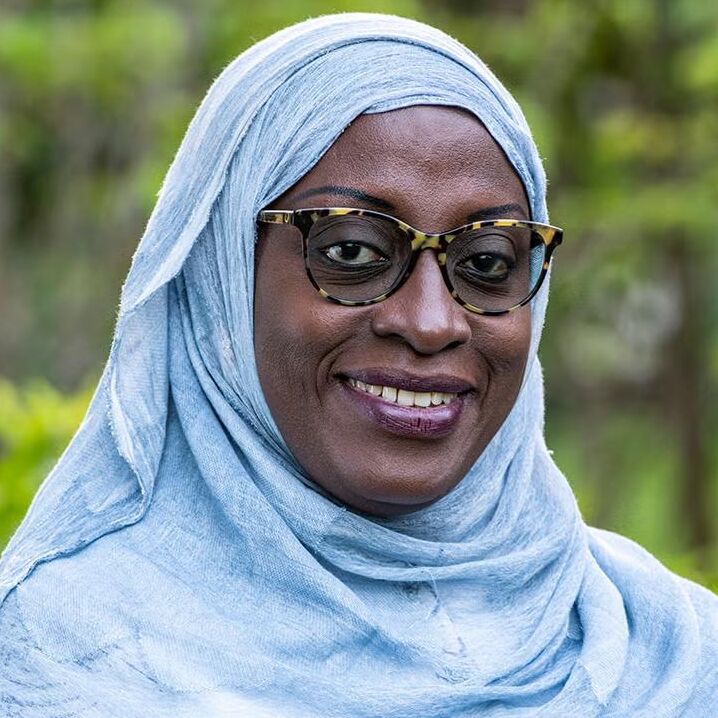
Dr. Awa Bineta Deme
PhD, PARMA Hub Project Coordinator
Centre International de recherche, de formation en Génomique Appliquée et de Surveillance Sanitaire (CIGASS), Senegal
My first close interaction with MESA was in 2022 through the Correspondents Program, where I served as a Senior Editor during the 8th PAMCA Annual Conference. Through this experience, I engaged in thoughtful dialogue, connected with peers, and contributed to conversations that amplify diverse voices in malaria and public health. I have also used the MESA Knowledge Hub to stay informed about upcoming malaria-related conferences globally, helping me identify opportunities for learning, networking, and collaboration. Tools such as MESA Track have strengthened my visibility and connected me to valuable opportunities within the global malaria community.
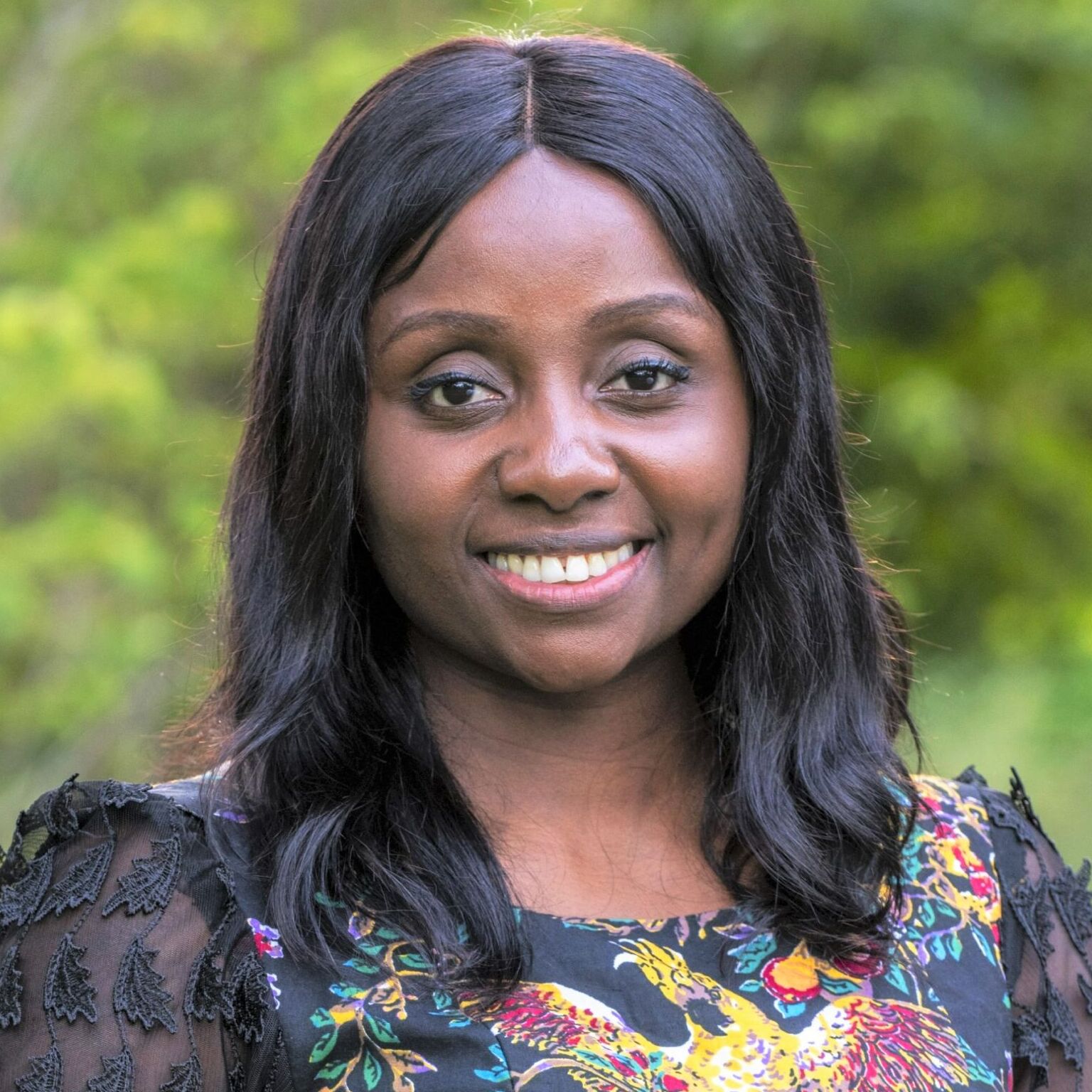
Dr. Jessy Goupeyou
Medical Entomologist & Global Advocacy Lead
Centre for Research in Infectious Diseases (CRID), Cameroon
My engagement with MESA has been especially meaningful through the MESA Correspondents Programme during the 9th International Conference on Plasmodium vivax Research (ICPvR) 2025. I regularly use the MESA Grants and Events Calendar to track conferences, talks, and opportunities in malaria research, and it was through this calendar that I first learned about ICPvR. I applied to the MESA Correspondents Programme and was fortunate to be selected, which allowed me to follow scientific discussions closely and contribute conference summaries for the broader malaria research community. I believe MESA tools, including the Calendar and correspondent program, are valuable resources that help researchers stay informed and connected with developments across the global malaria field.
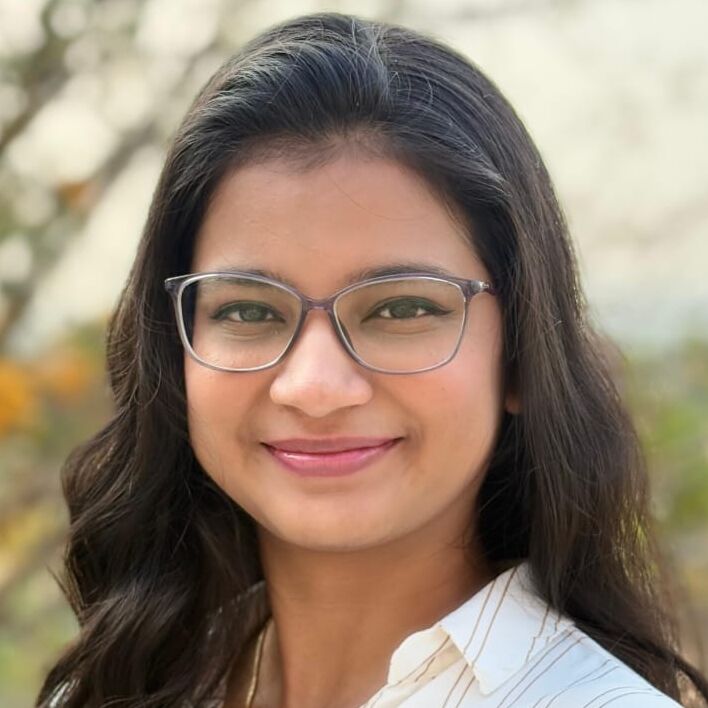
Varijakshi Gutthedhar
PhD Researcher
Manipal School of Life Sciences, Manipal Academy of Higher Education, India
My time as a MESA correspondent has been enriching and professionally transformative. Through the Correspondents Programme, I strengthened my ability to communicate clearly, concisely, and engagingly while connecting with passionate individuals that are committed to achieving a malaria-free world. Their dedication has been both motivating and inspiring.
I regularly turn to the MESA Resource Hub and Calendar, the one-stop tools that I use to stay updated on emerging research, discover new initiatives and follow key events. These tools keep me abreast of ongoing activities within the community.
Platforms like MESA Track are valuable as they allow researchers to identify and connect locally and globally, fostering collaboration, strengthening networks and supporting multidisciplinary partnerships essential for addressing global health challenges.
Faith Hungwe
PhD Candidate
Faculty of Health Sciences, University of Zimbabwe, Zimbabwe
On behalf of the MIM Society, I wish to express my deepest gratitude to the MESA Correspondents; Ambadiang Mae Marilene M., Aurelia Brazeal, Deborah Neumbe, Isabel Byrne, Jean Aime Ngirinshuti, Julius Ichodo Odero, and Masudi Suleiman, as well as the former correspondents and senior editorial team, for producing the outstanding report from the 8th Pan-African Malaria Conference held in Kigali, Rwanda, 21–27 April 2024.
By capturing discussions spanning vector control, malaria vaccines, drug resistance, genomics, chemoprevention, malaria in pregnancy, and climate change, the MESA Correspondents have ensured that the knowledge generated at this landmark conference reaches researchers, policymakers, and advocates across the continent and beyond.
This report democratizes access to cutting-edge research, amplifies African scientific voices, and reflects the growing leadership of young African scientists, giving us every reason to be hopeful. For the MIM Society, it is an invaluable reference that will inform our strategic priorities and advocacy efforts.
To the senior editorial team; Charles Narh, Jessy Goupeyou, Manuela Runge, and Rosauro Varo, your guidance and investment in the next generation of science communicators are deeply appreciated. Thank you for this gift to the malaria community.
With partners like MESA by our side, a malaria-free world is within our reach.
Prof. Rose Gana Fomban Leke
MIMSOC Chair, South Secretariat,
Cameroon
With over 25 years of experience in resource-limited settings, Dr. Kim Lindblade has dedicated her career to researching and implementing strategies to control and eliminate infectious diseases globally. Her technical leadership has been instrumental in shaping international health policy, most notably between 2017 and 2022 when she led the World Health Organization’s (WHO) Elimination Unit within the Global Malaria Programme. In this role, she spearheaded the Elimination 2020 (E-2020) and E-2025 initiatives, a period of important progress that resulted in six countries being certified malaria-free. Most recently, she applied this expertise as the Technical Director for the PMI Insights Project and Senior Technical Advisor for the Malaria and Neglected Tropical Diseases (MNTDs) Program at PATH.
As former Head of WHO’s Malaria Elimination Unit, I found MESA instrumental in translating research into policy. Their technical expertise was critical in conducting the rigorous systematic reviews that underpinned the 2022 WHO elimination recommendations. For the global community, MESA serves as an important intelligence hub. By centralizing data on research studies, it helps prevent duplicated efforts and points researchers and policymakers toward the interventions that will achieve the greatest impact.
Dr. Kim Lindblade
Independent Consultant
Geneva, Switzerland
It’s a rewarding experience. Having free access to a website that centralizes information on funding opportunities, scholarships, research updates, as well as providing information on ongoing projects and reports from scientific meetings for those who couldn’t attend, is of great benefit to the training of scientists working on malaria.
Staying up to date with MESA news allows us to schedule funding opportunities within the Lab’s application list to ensure its sustainability and the training of our research team.
In my opinion, all malaria researchers should use this website for their benefit and for synchronous work at a global level in this field.
Dr. Elizabeth Melisa Villasis Mayuri
Postdoc
Laboratorio de Malaria, Laboratorios de Investigación y Desarrollo de la Facultad de Ciencias e Ingeniería de la Universidad Peruana Cayetano Heredia (UPCH), Lima, Peru
My experience with MESA through the Correspondents Program has been both enriching and inspiring. As a Senior Editor for the 2025 AMMnet Annual Meeting, I contributed to scientific reporting and helped share key research insights within the malaria modelling community. This opportunity strengthened my skills in summarizing complex research and collaborating within an editorial team, while keeping me closely connected to emerging developments in the field. More broadly, MESA plays an important role in connecting the malaria community and promoting knowledge sharing across regions, supporting researchers and public health professionals in staying informed and engaged.

Khady Ndiaye
PhD Candidate in Applied Mathematics and Modelling
West Africa Mathematical Modelling Capacity Development Consortium (WAMCAD), Iba Der Thiam University of Thies, Senegal
My experience as a MESA Correspondent has been incredibly rewarding. I summarized key discussions on malaria research and vector control, making valuable scientific knowledge accessible to those who were unable to attend conferences.
Enthralled by the experience, I volunteered again whenever the opportunity arose, honing my communication skills, expanding my network, and boosting my confidence.
As a young woman scientist, this journey gave me greater visibility and the opportunity to engage more actively with the global malaria community.
I believe MESA’s tools and collaborative platform are invaluable for early-career researchers, offering resources like grant opportunities, conferences, and updates on malaria advancements, which I use consistently to stay informed.
Diane Leslie Nkahe
Research Assistant
OCEAC, Yaoundé, Cameroon
Malaria is a deadly disease affecting people, especially in Africa, including the western part of Kenya where I am a Community Health Worker (CHW) and organiser at the Community Health Impact Coalition (CHIC). Pregnant moms and children under five years are at the greatest risk. In Kenya where I work, CHWs make sure that every pregnant mom in households is educated on the importance of clearing bushes and sleeping under treated nets. There is a big challenge since the Kenyan community was benefiting from nets issued by USAID and other organizations which stopped issuing.
In 2024, MESA organised a Forum to discuss the opportunities for implementing and sustaining CHWs in malaria control and prevention. MESA gave a seat to me as a CHW to present the CHW perspective from the frontlines. This included the important role of community health workers, our needs, the need for equitable resources and just remuneration and why investing in CHWs is investing in health.
Margaret Odera
Community Health Worker MoH Kenya
Organiser at Community Health Impact Coalition
My overall experience with MESA has been highly enriching and professionally rewarding. As a MESA Correspondent, I contributed to increasing access to emerging malaria research by reporting on conferences, seminars, and discussions. My role involved attending sessions, synthesizing complex presentations, and producing concise, accessible summaries for the MESA Malaria Knowledge Hub. With editorial support, these reports were published online to ensure that researchers, policymakers, and professionals who could not attend the meetings could still access findings and insights. This experience strengthened my scientific communication skills and expanded my professional network. The Correspondents Programme plays a role in bridging the gap between research evidence and its practical application in malaria control and elimination.
Djelissa Sofia Fernandes Gomes de Pina
Laboratory Technician, Genomic Sequencing and Bioinformatics Department
National Institute of Public Health, Cabo Verde
Since 2013, I have been working together with MESA on free access to knowledge information to strengthen efforts in malaria control. Whereas MESA has a focus on information about ongoing malaria research, MalariaWorld’s focus is on the sharing of scientific malaria publications and news. The services of MESA are valuable and complementary to MalariaWorld. Both want to see a world without malaria. In a world where knowledge is power, free access to information about malaria and malaria research empowers. Empowered people prevent and control malaria better.
I believe successes in malaria elimination require collaboration in order to push knowledge to action. Knowing who is doing what, where, why, and when, can be learned from the country portfolios in MESA Track which facilitates research agendas to be grounded in the priorities of malaria endemic countries. So I would say, MESA Track – use it, learn from it and don’t forget to upload your own project information on this valuable resource so others can learn from your experience as well.
Ingeborg van Schayk
Founder of MalariaWorld & Director Dutch Malaria Foundation, Netherlands
I am a Senior Program Officer in the Malaria team at the Gates Foundation and lead the malaria molecular surveillance (MMS) portfolio. This aims to build MMS capacity to tackle biological threats (diagnostic resistance, antimalarial and insecticide resistance, invasive vector species) in malaria endemic countries.
My experience with MESA includes working with them to develop an on-line resource collection about MMS which includes information about networks, research projects, genomic epidemiology studies, laboratory resources, training courses, and publications. These have been tremendously valuable to the global malaria community.
Dr. Estee Torok
Senior Program Officer – Malaria Team
Gates Foundation
I reconnected with MESA in 2021, we received invitations for scientific events (online and later on in person) and also to share information about our activities. With P. falciparum being the main focus of malaria research, I was very happy when I attended a webinar about P. vivax (Malaria in the Shadows: Putting the Focus on the Challenges of P. vivax). Being a researcher from the Amazon region, where P. vivax is the predominant species, we are very glad that MESA does not neglect this species and the research work we are doing in this part of the world.
Additionally, I was invited to be part of the Community of practice on pfhrp2/3 gene deletions, also promoted by MESA, to give scientific and technical support to researchers and national programs mainly in African countries.
MESA is an important platform focused on malaria where we can find important information and tools to help us in our research activities. In this platform we can also share our projects, courses, workshops and other initiatives to be disseminated to the malaria community. It helps us to connect with the malaria community and increase our network regionally and worldwide.
MESA alliance is not just a malaria website, it is an important ally for those of us who do malaria research. MESA makes us feel part of a community that supports each other with the ultimate goal of eliminating this disease, hopefully in the near future.
Prof. Dionicia Gamboa Vilela
Full Professor and Principal Investigator
Universidad Peruana Cayetano Heredia (UPCH), Peru
Being part of MESA has been inspiring and rewarding. It has given me a voice, strengthened my confidence in science communication, and connected me with passionate malaria professionals across Africa and beyond.
Being a MESA Correspondent has been enriching, as it has allowed me to build valuable connections with leading scientists in the malaria field. Through this opportunity, I was also able to present part of my PhD results at the MIM conference 2024 while serving as a correspondent, which strengthened both my visibility and professional network.
My collaboration with the MESA team enabled me to live my “Barcelona dream” while contributing to the dissemination of key advancements in malaria research. Through the support I received as an Alumni Correspondent, I was able to amplify important scientific discussions with a wider audience in Barcelona at the GRC conference. It was an opportunity that combined a long-awaited personal achievement with meaningful knowledge sharing.
If you are passionate about malaria and want your work to reach beyond your immediate circle, the MESA Correspondents Program is an excellent opportunity to learn, share, and grow in your career.
Mae Marilene Ambadiang
PhD Candidate
University of Yaoundé I/ CRID, Cameroon
I’m proud to have contributed to the MESA all women-led pfhrp2/3 deletions Community of Practice, helping advance global collaboration and shared resources for confronting this important threat to malaria control.
I’m also grateful for this team’s initiative to consolidate a set of technical documents relating to HRP2 deletions, creating a precious, centralized online resource serving the needs of a range of stakeholders in malaria endemic countries.
Dr. Jane Cunningham
Senior Technical Officer
Malaria and NTDs programme, World Health Organization, Switzerland
Many parts come together to enable a strong ecosystem for evidence-informed decision-making, and I have been fortunate to work across several of them: developing transmission models that malaria programs can use to shape strategic planning and mobilize resources, implementing an interdisciplinary training program in applied malaria modeling that now runs independently at two African institutions, and building the extraordinary community that is the Applied Malaria Modeling Network (AMMnet). I am absolutely thrilled to have recently moved to AHADI (Applied Health Analytics for Delivery and Innovation), where we work toward countries’ self-reliance in public health analytics: building the tools, approaches, and skills bases needed so people can make well-informed decisions on how to spend their resources for maximum impact on health.
Both AMMnet and AHADI have key collaborations with MESA. We recognize that great things happen when people are connected and when the right environment exists to connect pieces of knowledge in systematic or unexpected ways. At AMMnet, we have benefited from MESA’s infrastructure to host and disseminate our resource library of training materials, guidance, and scientific presentations. At AHADI, we are excited to work with MESA to strengthen country portals where malaria programs and local researchers can have the opportunity to align on research priorities. I believe that we as a malaria community have barely scraped the surface of what is possible with the database that MESA has built, and I encourage not only malaria programs and researchers to use it to learn more about cutting edge work but also those interested in the science of science to use it to understand our field as a whole, and where we can improve!
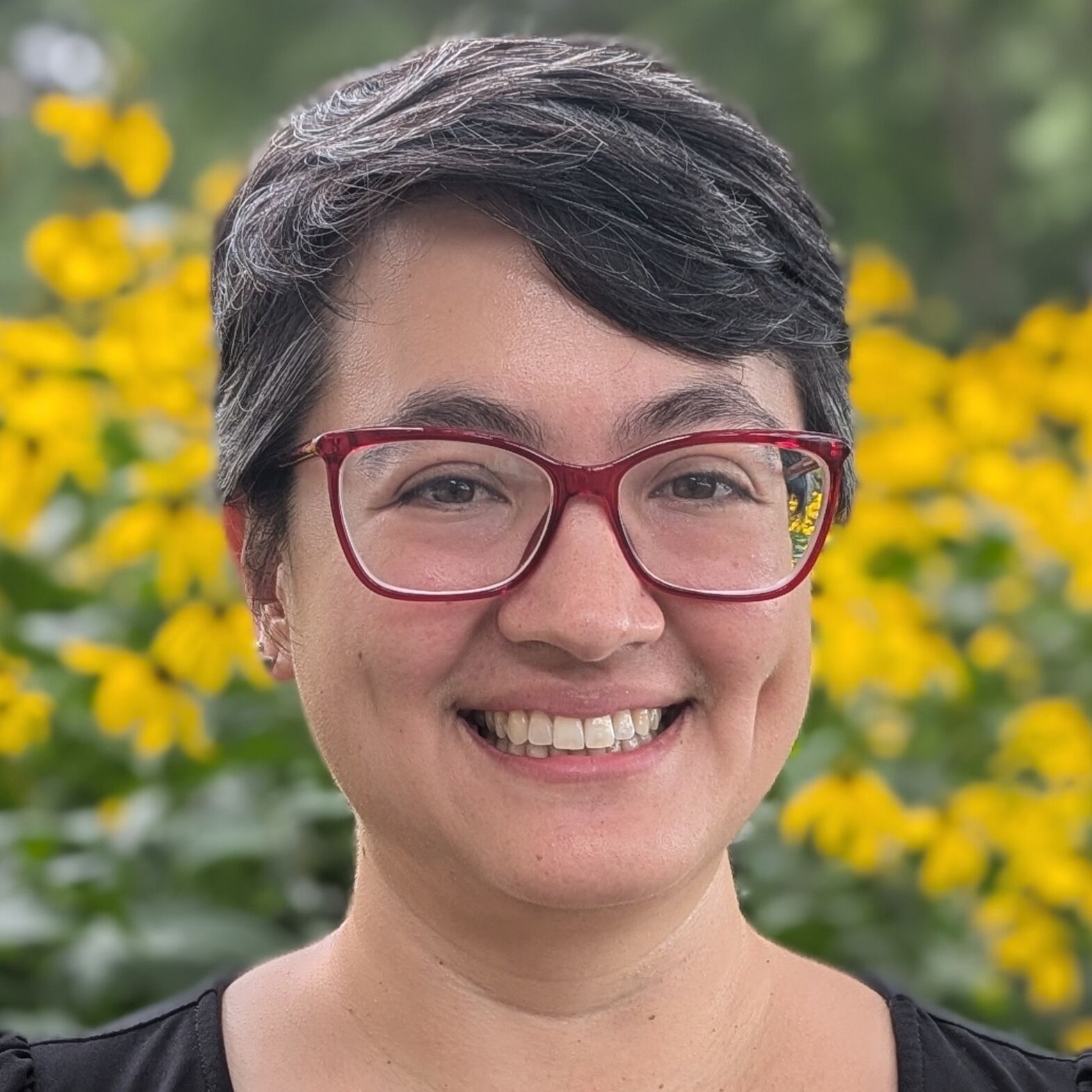
Dr. Jaline Gerardin, PhD
Director of Analytics, AHADI – Applied Health Analytics for Delivery & Innovation
Executive Director, AMMnet – Applied Malaria Modeling Network
Working with MESA through the Correspondents Programme at the 2nd Women in Malaria Conference was such a great experience. The programme amplified the science and the voices in the room, extended the conference’s reach beyond those who could attend, and left a permanent record of the meeting. I was impressed by the quality of the meeting reports; they clearly captured both the science and the great discussions that took place. I also love how the programme provides valuable training in science communication for early-career researchers. MESA helps connect the field of malaria research, which can be so broad, and creates visibility to all researchers in the field of malaria, regardless of gender, career-stage or geographical location.
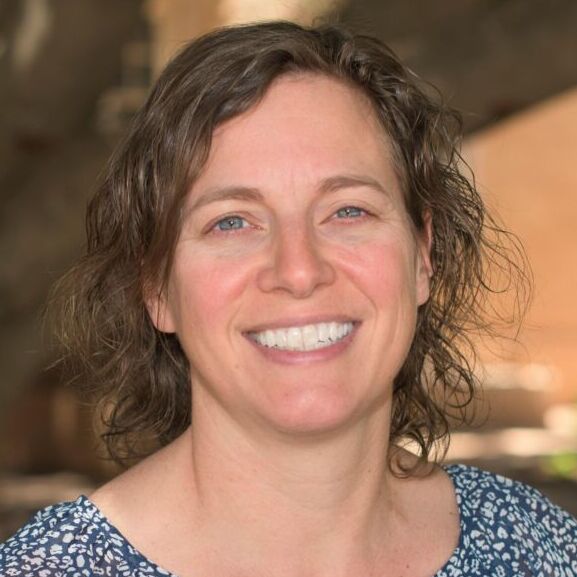
Dr. Silvie Huijben
Associate Professor
Center for Evolution and Medicine, School of Life Sciences, Arizona State University, USA
Attending the ICPvR 2025 as a MESA Correspondent was more than just an experience—it became a defining milestone in my journey as a researcher. Being immersed in a global network of malaria scientists gave me the opportunity to engage with influential minds shaping the future of Plasmodium vivax research.
From thought-provoking discussions to cutting-edge insights, every interaction deepened my understanding of malaria elimination and its real-world challenges. It not only enhanced my knowledge but also strengthened my confidence, sharpened my perspective, and reinforced my purpose.
As I work on developing malaria diagnostics for resource-limited settings, these learnings are especially meaningful—helping me align my research with real-world needs and strive for accessible, impactful solutions.
Staying connected through the MESA Calendar keeps me updated on valuable events, webinars, and conferences, enabling continuous learning and meaningful collaborations.
I sincerely thank MESA for providing such a powerful platform and invaluable opportunities that continue to shape my journey in global health.

Priya Kumari
PhD Scholar
ICMR – National Institute of Malaria Research, India
Dr. Li is a Technical Officer at WHO’s Department of Malaria and Neglected Tropical Diseases. She has led major reforms to the WHO malaria‑free certification process, authored key WHO guidance on certification, and coordinated certification in more than 10 countries. She wrote the first global guidance on preventing re‑establishment of malaria transmission, closing a decades-long policy gap of WHO. She also led the work on border malaria, a common challenge facing countries at the last mile of malaria elimination.
Dr. Li collaborated with MESA on the Evidence Review Group for border malaria and the technical consultation on prevention of re‑establishment. MESA has been invaluable in synthesising knowledge and highlighting ongoing research. As a platform dedicated to advancing malaria eradication science, MESA provides the malaria community with a one‑stop overview of current research, tools, and evidence, while helping identify, track, and support critical projects.
Dr. Xiao Hong Li
Technical officer
WHO’s Department of Malaria and Neglected Tropical Diseases, Switzerland
As a former malaria programme manager with interest in research and the use of data for decision making, ensuring efficient use of limited resources remains a key priority. This is where MESA comes in handy. The platform is a one stop shop for research works conducted in malaria across the globe, giving information on research findings and gaps. It also helps programmes stay informed about new interventions, technologies, and strategies.
I can recall how useful MESA was to the NMEP-Ghana when we were drafting our National Elimination Strategic Plan (NSP2024-2028) helping us prioritize our research needs. The “Deep Dive” session especially provided useful information on intervention-based research works that were being conducted and what was lacking.
As a manager, one key hurdle as far as research was concerned was to get researchers and institutions to connect with each other to know what the other is doing for efficiency and optimization. Though early days yet, MESA has provided a platform which made visible what research was being conducted by researchers and institutions in Ghana.
There is always a mismatch between funding and what needs to be done. That is why prioritizing research to limit duplication is important. I encourage programmes and institutions to utilize the platform by sharing their research and using it as a tool to help them refine their research agenda.
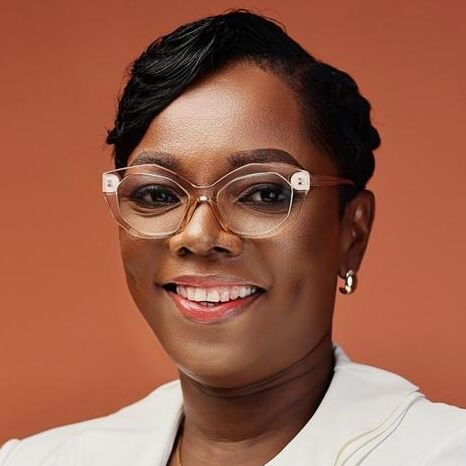
Prof. Keziah L. Malm
Associate Professor – University of Health and Allied Services
Former Programme Manager – Ghana Malaria Elimination Programme
I have engaged with MESA and its tools since 2017. It is like a second home. I have seen the platform and tools evolve, always for the better. To date, it is the only one-stop where malaria works are documented in their entirety.
In 2023, I was also a Senior Editor for the 9th PAMCA Conference. So, it is always a pleasure to collaborate with MESA.
The MESA Track helps IHI keep track of its malaria portfolio, its partners in malaria work, and the progress we have made through the years, transitioning from Sub awardee to Prime recipient. It shows the shift in capabilities.
Continued development of the MESA platform could soon house the repository of malariologists across the world, where institutions can find technically relevant expertise, especially for South-South collaborations. Country profiles will also be a gamechanger, supporting national malaria programs and prioritization of activities.
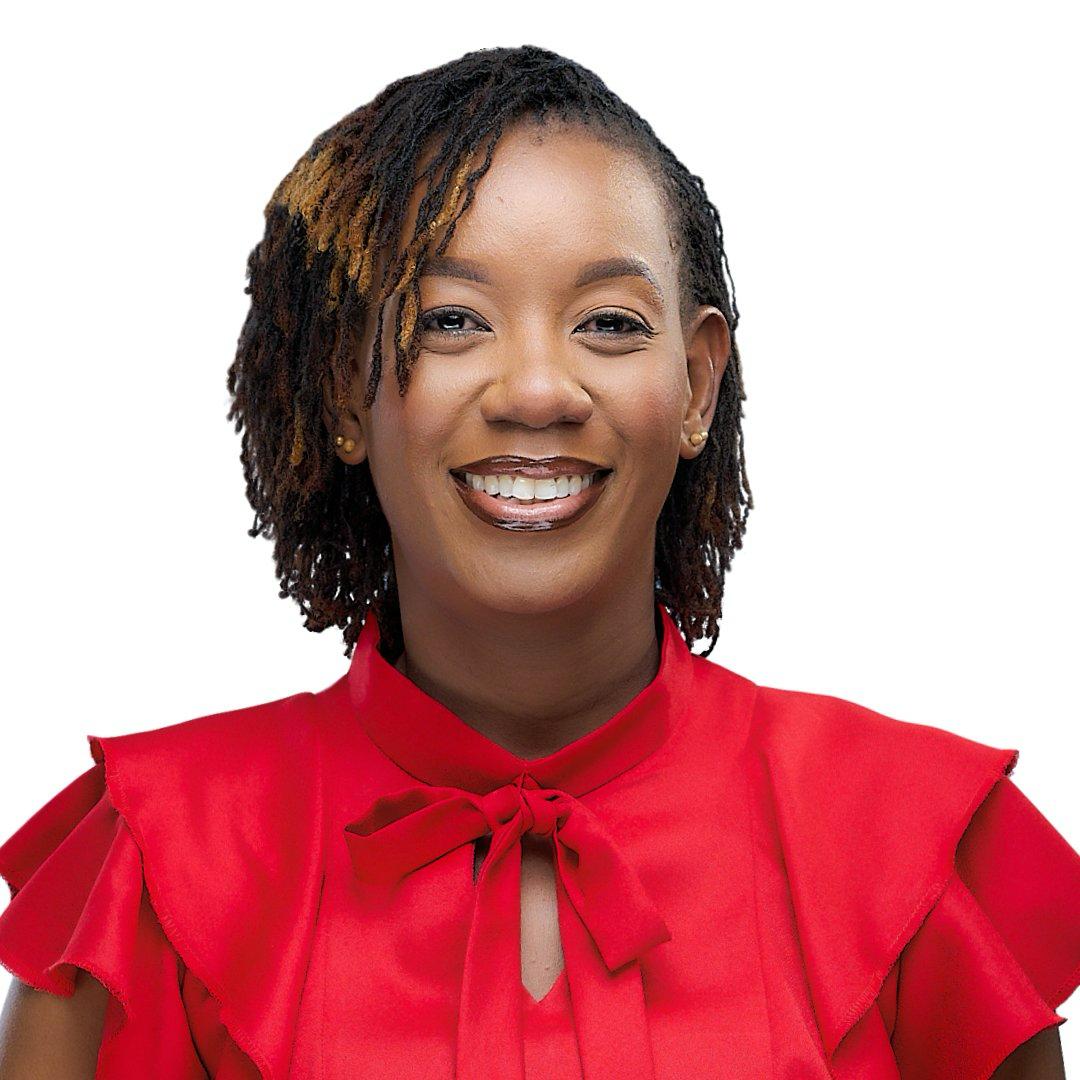
Dr. Zawadi Mageni Mboma, PhD
Business Development & Partnerships; Senior Research Scientist
Ifakara Health Institute, Tanzania
My experience with MESA tools has mainly been through the Correspondents’ Programme, where I participated as a correspondent for the 8th Multilateral Initiative on Malaria Pan-African Malaria Conference and the Genomic Epidemiology of Malaria Conference. As a Master’s student at the time, the programme significantly enhanced my scientific writing and presentation skills. Writing summaries of scientific presentations strengthened my ability to synthesize complex information, which proved particularly valuable when working on my Master’s thesis.
Attending these conferences also helped me further develop my presentation skills and broaden my understanding of current research in malaria genomics. In addition, the networking and learning opportunities provided by the programme were extremely valuable for my academic and professional growth.
I strongly believe that the MESA Correspondents’ Programme is an essential initiative, particularly for students and early-career researchers seeking to develop their scientific communication skills. I would especially encourage students, particularly women interested in malaria research, to apply for the programme when the opportunity arises.
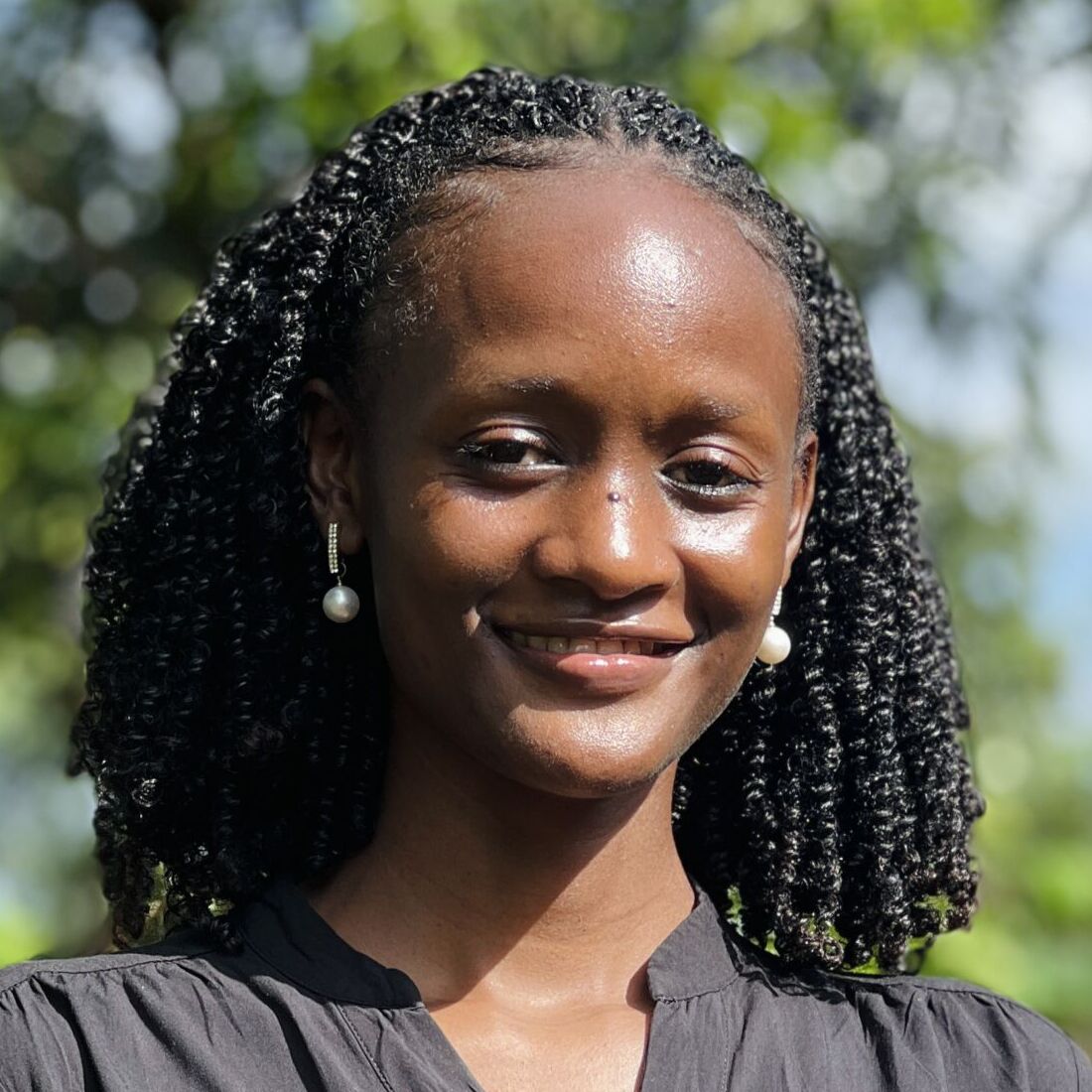
Deborah Neumbe
Bioinformatics graduate
Makerere University, Uganda
I am a molecular epidemiologist based in Brazzaville, where I have spent the past 20 years studying malaria parasites collected under diverse epidemiological conditions using molecular and immunological approaches. Throughout my career, I have been deeply committed to training African scientists, many of whom are now research leaders in their respective countries. Since 2014, I have also led a program dedicated to promoting gender equity in science, supported by both national and international partners.
The MESA Platform represents an important opportunity for the Fondation Congolaise pour la Recherche Médicale (FCRM) to strengthen its engagement in the global malaria eradication agenda. Through its knowledge-sharing mechanisms and collaborative networks, MESA facilitates access to cutting-edge scientific evidence, and promotes South-South and North-South collaborations. It is a perfect platform for raising the visibility of FCRM. I am proud to be part of this initiative.
Engagement with the MESA Platform provides the FCRM with a valuable framework to exchange scientific knowledge, connect with leading malaria researchers, and contribute evidence generated in the Republic of Congo to the global malaria eradication effort. Such collaboration would also support the translation of research findings into policy and public health practice.
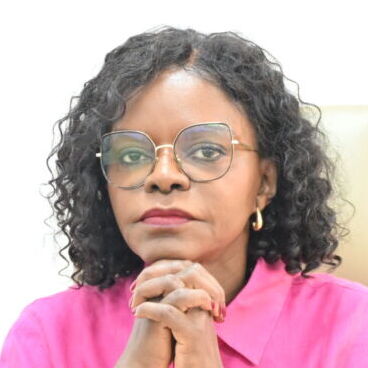
Prof. Francine Ntoumi
Molecular epidemiologist
Fondation Congolaise pour la Recherche Médicale (FCRM), Congo-Brazzaville
I joined the MESA Correspondents Programme in 2018, a formative experience where I learned about conference reporting, connected with other correspondents, and built a lasting habit of reflecting on key takeaways, new insights, and how research connects across areas in and beyond malaria.
The MESA website is often my first check-in for upcoming events and topic deep dives, helping me stay oriented and up to date on malaria research and activities. As global health topics increasingly intersect, knowledge platforms like MESA are important not only for malaria experts but also for encouraging cross-field awareness and exchange.
Through MESA, I built connections that continued beyond the programme, leading to ongoing exchanges and collaborations within the malaria research community, including participation in the Correspondence Program and supporting correspondents at conferences, such as at the AMMNet event in 2025.
MESA is offering a meaningful and widely recognised platform for engagement for any researcher who values translating research into shared learning, critically distilling key messages, identifying research gaps, and building visibility while connecting with peers and mentors.
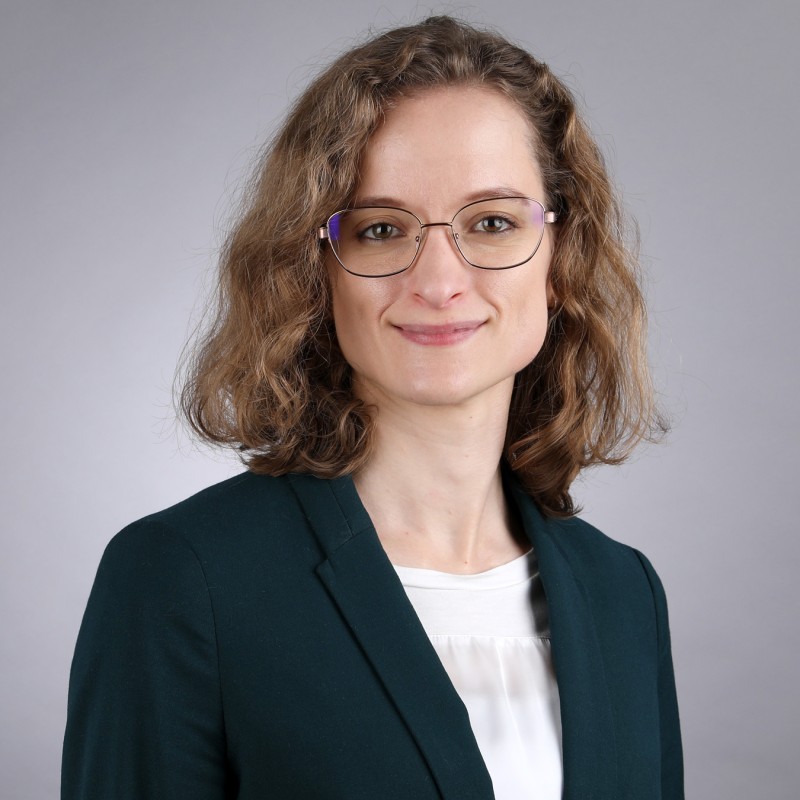
Dr. Manuela Runge, PhD
Senior Associate
MM Global Health Consulting, Switzerland
As Co-Chair of the 8th ICPvR, together with Prof Leanne Robinson, I was committed to strengthening inclusion within the vivax malaria community through a more systematic and accountable approach to representation. The MESA Correspondents Programme helped extend these efforts beyond the conference itself, translating discussions into accessible reports and amplifying diverse voices globally. Platforms like MESA increase visibility for women and researchers from malaria-endemic countries and help sustain momentum between meetings. While progress towards inclusion is encouraging, it remains fragile and requires continued commitment. MESA plays an important role in reinforcing measurable, community-wide change.
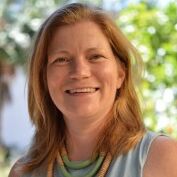
Prof. Kamala Thriemer
Senior Principal Research Fellow
Menzies School of Health Research, Australia
I am a malaria researcher at the Institute of Tropical Medicine in Antwerp, where I lead the Malariology Unit. Our work focuses on understanding malaria transmission and parasite biology to develop tools and strategies that support control and elimination. We combine molecular approaches with field and epidemiological studies to better understand how malaria spreads and how to stop it.
Our interactions with MESA have been very valuable for increasing the visibility of our work and connecting with the wider malaria community. Sharing information about our projects through MESA Track has helped highlight our group’s research and even sparked a new collaboration with another institution. The MESA Resource Hub has been a useful space to share and access protocols, training materials, and other resources supporting malaria researchers in all settings.
More broadly, platforms like MESA play an important role in bringing people together and fostering collaboration across the malaria field. As a woman working in science, I particularly value initiatives that showcase the contributions of diverse researchers and help build a more inclusive research community.
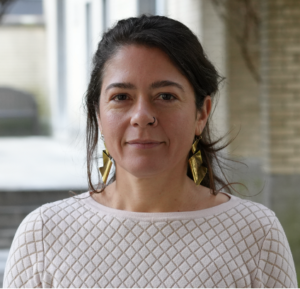
Prof. Anna Rosanas-Urgell
Professor and Head of the Malariology Unit
Institute of Tropical Medicine in Antwerp, Belgium
The MESA Correspondents Programme gave me the opportunity, as a young scientist, to attend an international conference. This experience broadened my perspective on malaria research while strengthening my scientific communication skills.
I have also benefited from resources available on the MESA Knowledge Hub, particularly the Grants & Events Calendar, which helps me stay informed about training and funding opportunities, conferences, and the current projects in malaria science.
I believe young scientists will benefit greatly from the Correspondents Programme, as it offers a hands-on learning opportunity that fosters collaboration and strengthens communication skills in scientific writing and research communication.
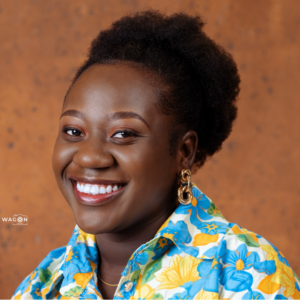
Akua Obenewaa Danquah Yirenkyi
Senior Research Assistant
Noguchi Memorial Institute for Medical Research, Ghana