

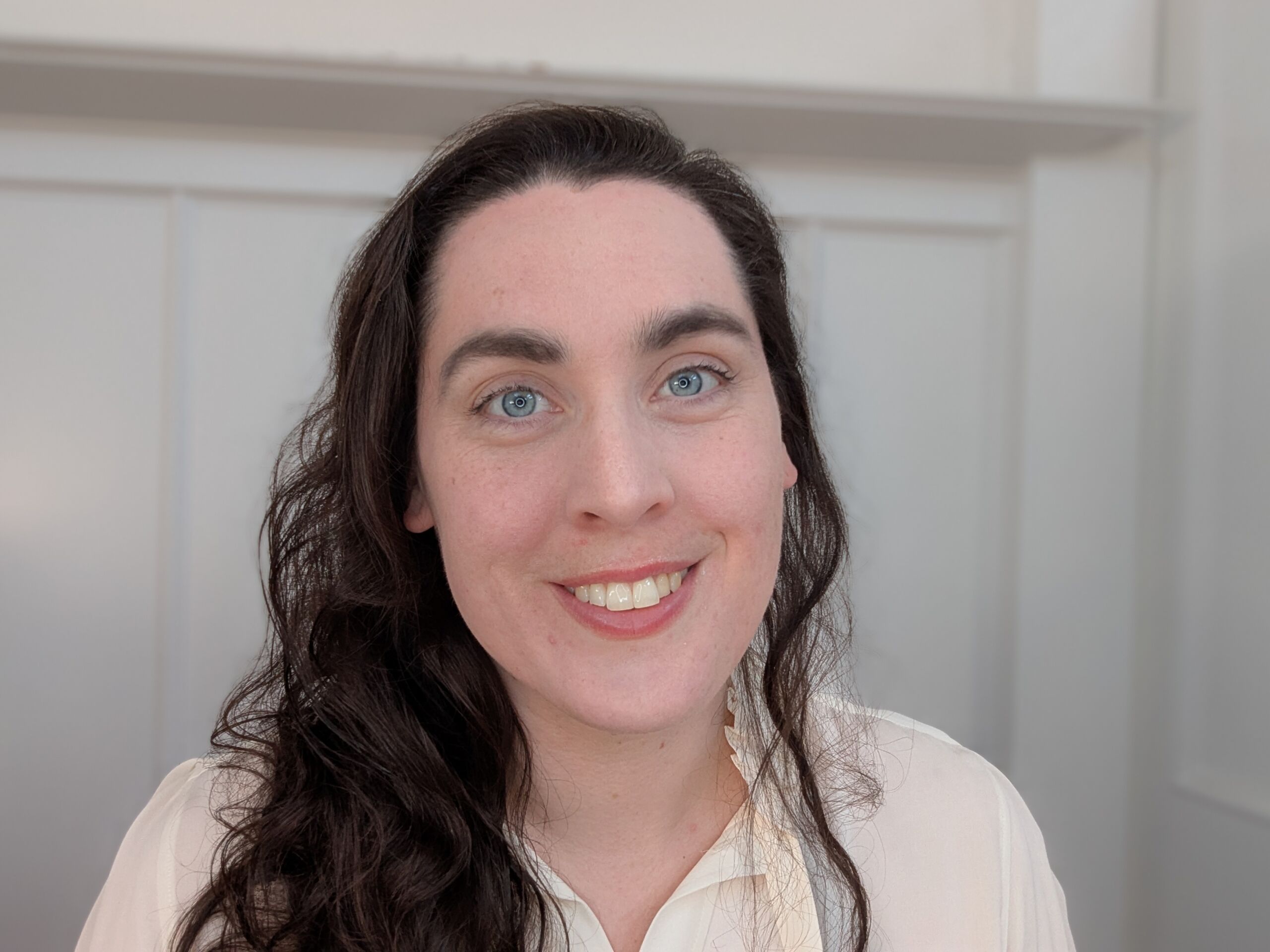
Joanne Power
Dr. Joanne Power is a postdoctoral research associate at the University of Glasgow’s Centre for Parasitology in Scotland (UK). Joanne has worked to understand the molecular mechanisms that govern malaria transmission for over a decade, beginning with her PhD on the epigenetic mechanisms underlying gametocytogenesis in Plasmodium berghei under the supervision of Prof Andy Waters and Prof Richard Burchmore at the University of Glasgow in 2014. Since completing her PhD, Joanne has undertaken postdoctoral research at both Pennsylvania State University (USA) and the University of Glasgow (UK), and currently works with Dr Katarzyna Modrzynska to study gene expression regulation in the early stages of parasite sexual development in the Anopheles mosquito midgut. Joanne’s areas of expertise include experimental rodent models of malaria, mosquito rearing and experimentation, molecular genetics, flow cytometry, and sequencing techniques such as single-cell RNA sequencing using 10X Genomics technology.
In addition to her experimental work, Joanne was a founding member of the Women in Malaria Initiative with Dr Elena Gómez-Díaz (Spanish National Research Council (IPBLN-CSIC)) during her PhD in 2018 and remained on the Steering Committee for 6 years. As part of this work to promote women in malaria research, Joanne acted as a Senior Editor for MESA’s Correspondence of both Women in Malaria conferences in 2021 and 2025. Joanne was also a Council Member of the British Society for Parasitology (BSP) from 2021-2025 where she ran BSP’s social media communications. Just recently (April 2026), Joanne completed her role as a lead organiser (alongside Prof Lilach Sheiner of the University of Glasgow) of the BSP 2026 annual Spring Meeting which was hosted at the University of Glasgow.
The MESA Correspondents Program is a fantastic initiative for anyone working in malaria-related research. The Correspondents’ Reports provide detailed updates on every talk during a conference, so even if you missed a parallel session or couldn’t make the conference yourself, you don’t miss out on the research. It also gives students and other early-career researchers the opportunity to demonstrate their writing abilities and get their profile out there among the malaria research community! The MESA Correspondents Program is a great example of open-access science: it’s a completely free resource for everyone from any country and the text can be copied for people to have read out to them or translated to another language if needed. All science should be this accessible!
