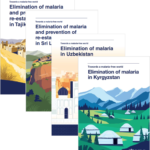
Eliminating malaria – Case studies
World Health Organization (WHO), Switzerland; University of California San Francisco (UCSF), United States
Published: 01/10/2012
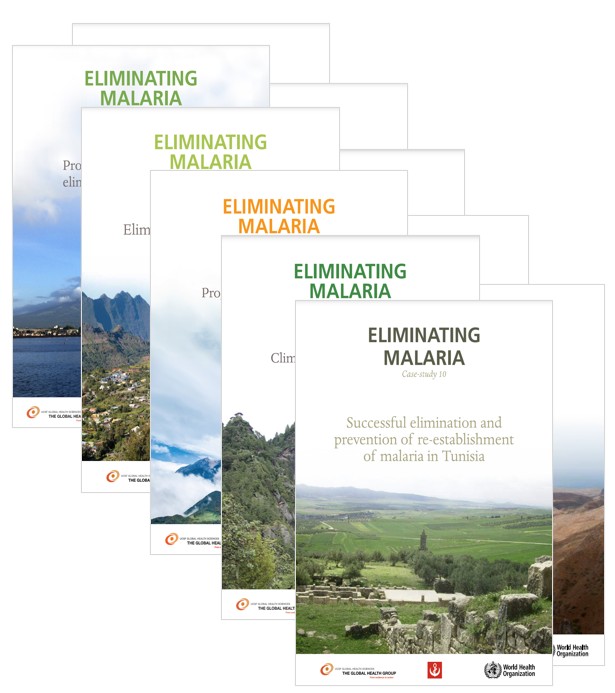
The WHO Global Malaria Programme and the Global Health Group at the University of California in San Francisco, supported by the Bill and Melinda Gates Foundation, launched a new series of case-studies on malaria elimination: Eliminating malaria. In this series, national malaria control programmes and researchers generate new evidence about what works – and what does not – for reaching and sustaining zero malaria transmission.
The objective of this case-study series is to build an evidence base to support intensification of malaria elimination as an important step in achieving international malaria targets. Ten case-studies were prepared and all together provide insights into and lessons to be learned from a wide range of elimination approaches and geographical settings.
- Turkmenistan – Eliminating malaria (case study 1): Achieving elimination in Turkmenistan
- Cabo Verde – Eliminating malaria (case study 2): Moving towards sustainable elimination in Cape Verde
- Sri Lanka – Eliminating Malaria (case study 3): Progress towards elimination in Sri Lanka [PoR follow-up, 2016; WHO update, 2023]
- Mauritius – Eliminating malaria (case study 4): Preventing reintroduction in Mauritius
- Turkey – Eliminating malaria (case study 5): The long road to malaria elimination in Turkey
- Philippines – Eliminating malaria (case study 6): Progress towards subnational elimination in the Philippines
- Reunion – Eliminating malaria (case study 7): Elimination of malaria on the island of Reunion 40 years on
- Malaysia – Eliminating malaria (case study 8): Progress towards elimination in Malaysia
- Bhutan – Eliminating malaria (case study 9): Climbing towards elimination in Bhutan
- Tunisia – Eliminating malaria (case study 10): Successful elimination and prevention of re-establishment of malaria in Tunisia
Published: 01/10/2012
Related Resources