Last Updated: 20/02/2026
Combining metabolomics profiling of polyherbals and Plasmodium falciparum asexual blood stage-specificity to improve mechanistic knowledge on malaria therapeutic lead discovery
Objectives
This multidisciplinary project aims at the discovery of new anti-infective agents that target human malaria parasites, from selected polyherbals and their use for the identification and validation of novel drug targets for Plasmodium falciparum malaria therapy, by combining herbal metabolomics profiling and P. falciparum asexual blood stage-specificity.
Institute of Medical Research and Medicinal Plants Studies (IMPM), Cameroon
With the increasing malaria parasite resistance to drugs in Africa, the development of antimalarials with new modes of action is more critical than ever. Herbal formulations have long attracted interest owing to the potential for synergistic therapeutic effects of components within the mixture, but present challenges to drug discovery due to technical barriers in chemical screening. High-resolution mass spectrometry (HRMS)-based metabolomics presents a dependable platform for the complete elucidation of the chemical diversity of active plants. Whereas High-throughput screens are able to identify potent chemical scaffolds, the lack of knowledge on their target often hampers their further development.
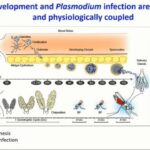
The study design that he is developing will be a combined approach that provides more resolution into the various anti-infective agents, their interactions and their different modes of action, by identifying the specific moment of asexual blood stage development against which these compounds are most active in comparison with antimalarial drugs, in the context of combination therapies.
Sep 2022 — Aug 2026
$500,427
Related Resources