

MESA grantees share their findings
Another wave of MESA grantees have finalised their projects and shared their findings. Here is a short summary of progress.
The malaria programme in Zambia has been implementing reactive case detection in the capital Lusaka since 2011. The project ‘’Mopping up and getting to zero” led by Akros in partnership with the programme tested whether molecular tools could improve the detection of and response to residual transmission. They found a significant association between secondary infections and proximity to vacant land and they also found a higher than expected complexity of infection which correlated to travel history.
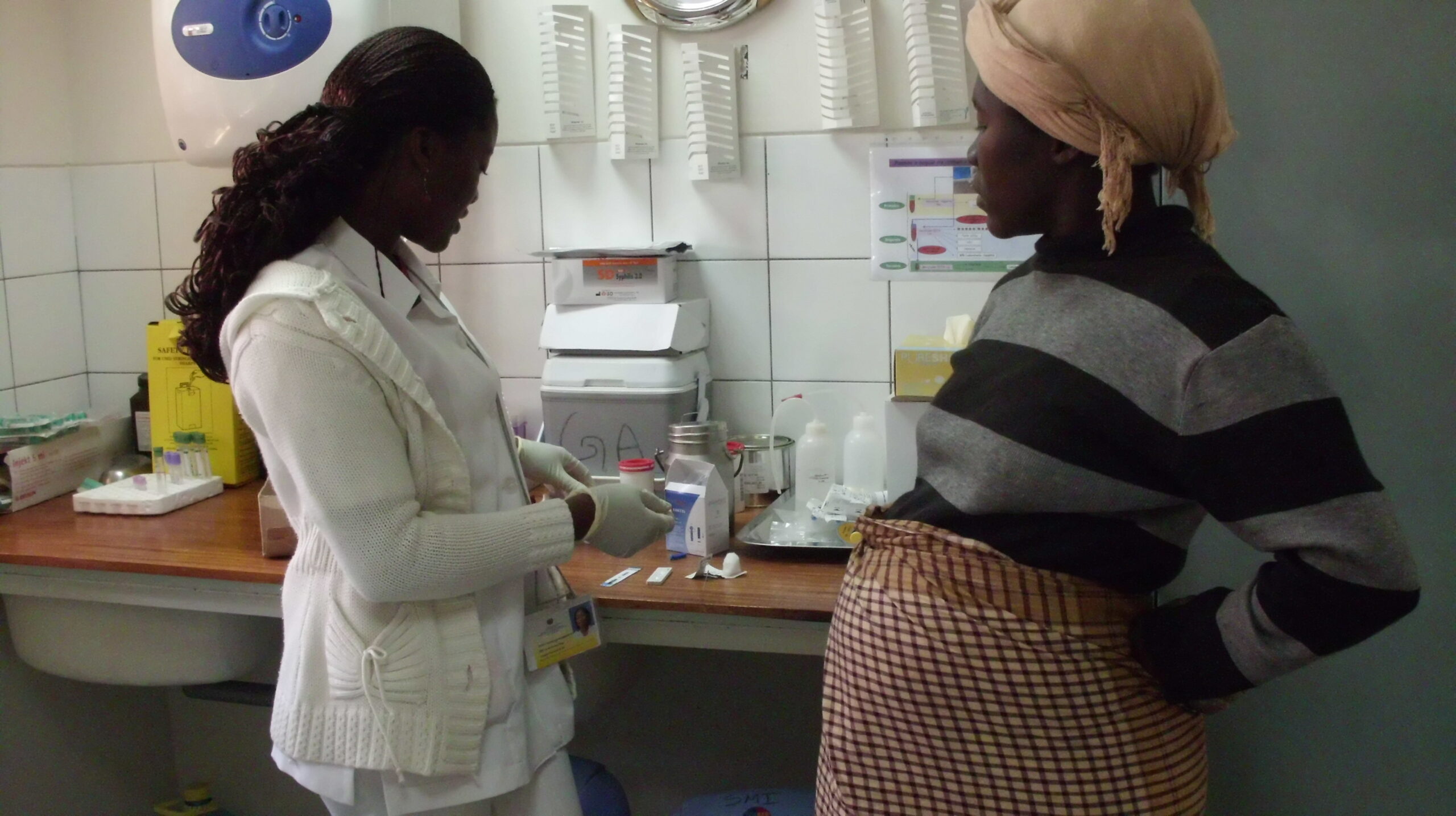
The research team led by ISGlobal, in collaboration with partners in 5 sub-Saharan African countries, hypothesised that pregnancy-specific antibodies could indicate levels of malaria transmission in the local population. In their project ‘Targeting pregnant women to monitor malaria transmission’, researchers developed a luminex assay using peptides from the VAR2CSA antigen. Data collected validated that antibody levels increased in women who had a malaria infection during their pregnancy, and that the levels of the pregnancy antibody over time mirrored those of malaria transmission in the local population. Data from this project has led to NIH-funded work to evaluate pregnant women as a sentinel group for malaria surveillance in elimination contexts.
The project in Swaziland led by USCF, ‘A molecular strategy to trace the origins of malaria cases and map transmission potential in countries approaching elimination’, tested a novel method to determine the origin of malaria infections and to quantify local transmission. Applying statistical methods, the team developed “transmission trees” from parasites’ genetic information. Data is being evaluated and early analyses suggest that the method can indicate where transmission is ongoing. The method is being further developed through BMGF funding.
All investigators shared their results with their malaria programme partners and presented them at the ECTMIH and ASTMH congresses. More details are available in the MESA Track database.
