Last Updated: 02/12/2024
Identification of virulence factors mediating hepatocyte invasion in the malaria parasite (MALINV)
Objectives
The aim of this project is to employ a multidisciplinary approach to investigate the role, at the cellular and molecular levels, of the parasite and host cell entry factors that have been identified by the research team.
Specific objective is to identify sporozoite proteins that are potential targets of neutralizing antibodies.
National Institute of Health and Medical Research (INSERM), France
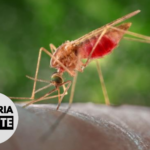
Malaria is caused by Plasmodium parasites and remains a major health and socio-economic problem in developing countries. The international community has now committed itself to the eventual eradication of malaria, an ambitious goal that will be difficult to achieve without an efficacious and affordable vaccine. Malaria begins with the inoculation of sporozoites into the host skin by infected Anopheles mosquitoes. The sporozoites rapidly migrate to the liver and actively invade hepatocytes, where they differentiate into thousands of merozoites. Once released in the blood, merozoites invade and multiply inside erythrocytes, causing the malaria disease. Infection of the liver is an essential, initial and clinically silent phase of the malaria life cycle, and therefore constitutes an ideal target for a malaria vaccine. A potent strategy to prevent the initial liver stage infection is to interfere with host-parasite molecular interactions to prevent sporozoite entry into hepatocytes. Apicomplexan parasites such as Plasmodium invade host cells using a unique mechanism that involves the sequential secretion of apical organelles, called micronemes and rhoptries, and the formation of a junction through which the parasite glides to enter the cell and form a parasitophorous vacuole where it further replicates. Proteins released from micronemes onto the parasite surface are prime candidates to interact with host cell surface receptors, triggering subsequent secretion of the rhoptry content, formation of the moving junction and commitment to productive invasion. However, until now the ligand-receptor interactions mediating Plasmodium sporozoite invasion have remained totally enigmatic. We have previously identified the hepatocyte protein Cluster of Differentiation 81 (CD81) as an essential host entry factor for human-infective P. falciparum and rodent-infective P. yoelii sporozoites. CD81 acts at an early step of invasion, possibly before moving junction formation by providing signals that trigger rhoptry secretion. Importantly, P. vivax and P. berghei sporozoites can infect cells lacking CD81, indicative of alternative entry pathways depending on parasite species. The team’s most recent work allowed them to make two important discoveries. First, the researchers identified a host surface protein involved in CD81-independent entry. Secondly, by employing a genetic approach, the researchers have identified sporozoite proteins that are required for parasite entry and are key determinants of the host cell entry pathway used by the parasite. For the first time, the researchers could establish a functional link between parasite and host cell entry factors, which are potentially involved in ligand-receptor interactions. These exciting new results open novel perspectives to elucidate the molecular interactions involved in sporozoite host cell entry during malaria liver infection. The researchers will combine genetic and functional assays in rodent malaria models to analyze in details the contribution of the putative ligands and receptors during host cell invasion by Plasmodium sporozoites. The researchers will explore at the molecular level the interactions between sporozoite and host cell entry factors, and characterize the structural determinants involved. For the purpose of the aim of this project, we will translate the findings made in the rodent malaria models to human parasites, and analyze candidate P. falciparum and P. vivax targets using in vitro cellular models and innovative in vivo animal models. By providing novel insights into the molecular mechanisms of sporozoite invasion, this project may contribute to accelerating the development of novel vaccine strategies to prevent the very first stage of the malaria infection.
Sep 2016 — Sep 2019
$153,568
Related Resources